Artificial intelligence (AI) is reshaping the legal industry—but it’s not replacing legal professionals. Instead, it’s enhancing their capabilities. For paralegals and support staff, AI offers an opportunity to offload repetitive tasks and focus on more meaningful, strategic work.
While the introduction of AI into legal workflows may raise concerns, the goal isn’t disruption—it’s empowerment. By automating administrative burdens, AI allows legal teams to spend less time on manual labor and more time applying expertise, judgment, and client focus.
AI as a Tool for Empowerment
AI is most effective when applied to routine, low-leverage responsibilities such as:
-
Reviewing and organizing medical records
-
Identifying missing dates or provider details
These tasks are essential to litigation and case development, but they don’t require human judgment. By assigning them to AI, paralegals and staff gain valuable time for higher-value efforts like legal research, case analysis, and client communication.
Enhancing, Not Replacing
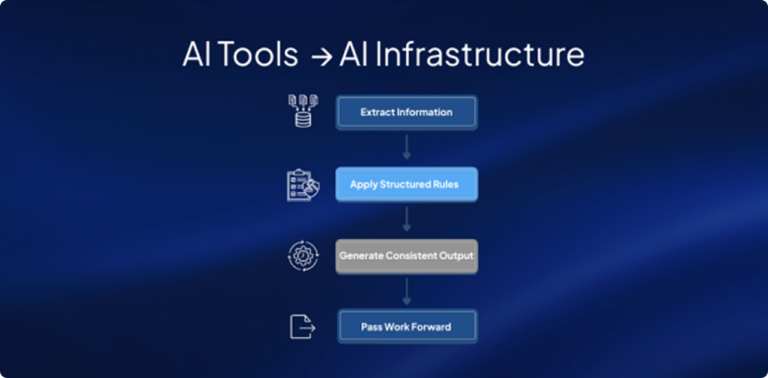
The most impactful AI solutions are built to work alongside legal support teams, not replace them. They streamline:
-
Medical record intake and categorization
-
Chronology generation and issue spotting
-
Cross-referencing key dates and identifying care gaps
-
Drafting supporting documents for case files
Rather than eliminating jobs, AI acts as an operational lever—reducing administrative bottlenecks so professionals can dedicate their efforts to strategy, precision, and client outcomes.
Elevating the Role of Paralegals
Paralegals are among the most agile and resourceful team members in any firm. With AI support, many are now able to:
-
Manage larger caseloads with less administrative friction
-
Improve accuracy in documentation and filings
-
Contribute more directly to legal strategy and case development
AI enables paralegals to step into more strategic, indispensable roles within their legal teams.
The Measurable Impact of AI
The value of AI should be measured against the workflow it changes, not a generic industry statistic. Useful measures include time spent finding source material, rework after attorney review, turnaround time, and whether required information remains traceable to the case file.
Results depend on document volume, matter complexity, workflow design, and review standards. Firms should establish a baseline before rollout and validate improvements with their own team.
Reimagining the Legal Workflow
Consider a litigation paralegal preparing a medical chronology. AI can help identify relevant events, organize dates, and link statements back to source records. The paralegal still validates the chronology, resolves ambiguity, and applies the firm’s case strategy.
The practical goal is not to remove professional judgment. It is to reduce mechanical work so the team can spend more time on analysis, client communication, and preparing the matter for its next decision.
Designed for Legal Professionals, Not Technologists
The best AI tools aren’t designed for engineers—they’re designed for busy legal professionals. The most effective platforms are:
-
Intuitive and user-friendly
-
Seamlessly embedded into existing workflows
-
Easy to adopt, regardless of technical background
AI should reduce friction, not add to it. Successful solutions require little training but deliver big impact.
Conclusion: A Strategic Shift, Not a Structural Threat
AI does not provide the judgment, context, and empathy that experienced legal professionals bring to a case. Used carefully, it can reduce bottlenecks so teams have more time to apply those strengths.
This isn’t about job loss—it’s about role evolution. The firms that embrace AI thoughtfully will unlock more capacity, more consistency, and more value across their teams.
The future of legal support isn’t shrinking. It’s expanding—with AI as the catalyst. ― Stay Ahead with AI-Driven Legal Innovation
Read more insights on the FasterOutcomes Blog.- Connect with us on LinkedIn
- Follow us on Instagram
- Subscribe to our Monthly Newsletter